Before the Pose Lands: What the First Ten Minutes of a Portrait Session Actually Give You
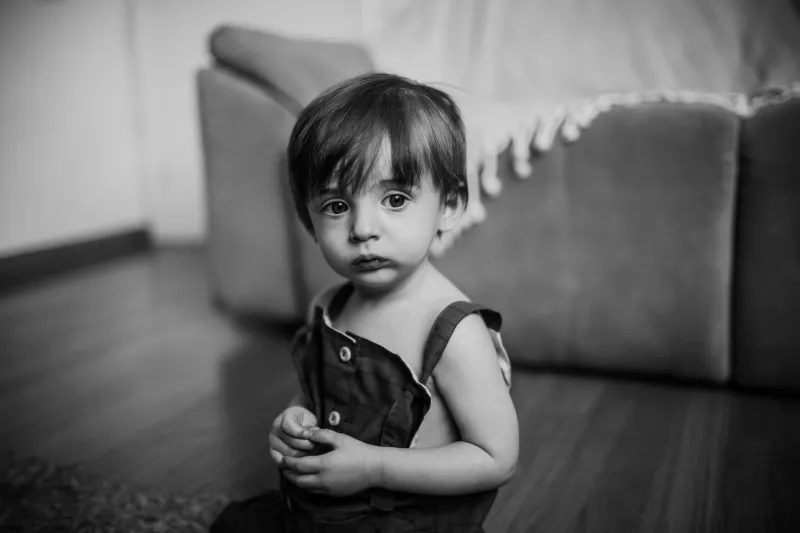
There is a moment before everyone remembers they are being photographed. A dad is still holding the car keys. A kid is trying to decide whether the porch step is lava. Someone is laughing at the dog, not the camera. I live for that moment, and it almost always happens in the first ten minutes.
I have seen it in living rooms across the U.S., on front porches in Virginia, in windy parks outside Chicago, and on travel commissions where the whole point was to disappear into a family's day. The setting changes. The ten-minute window does not.
The camera is not the icebreaker
I do not start a portrait session by asking people to pose. I start by asking questions that have nothing to do with pictures. How was the drive? Who picked the outfits? Is that the dog who stole a bagel last week? The camera stays low or on my shoulder while we talk. I take a few frames as tonal sketches, not as the real thing.
This is not a trick. It is calibration. I am watching how people stand when they are not being watched, how they touch each other, who leans in, who needs a minute. I am also checking light. Is the window giving us soft fill? Is the porch shade too flat? Do I need to move one chair or wait for the sun to slide behind a tree?
What the opening frames actually look like
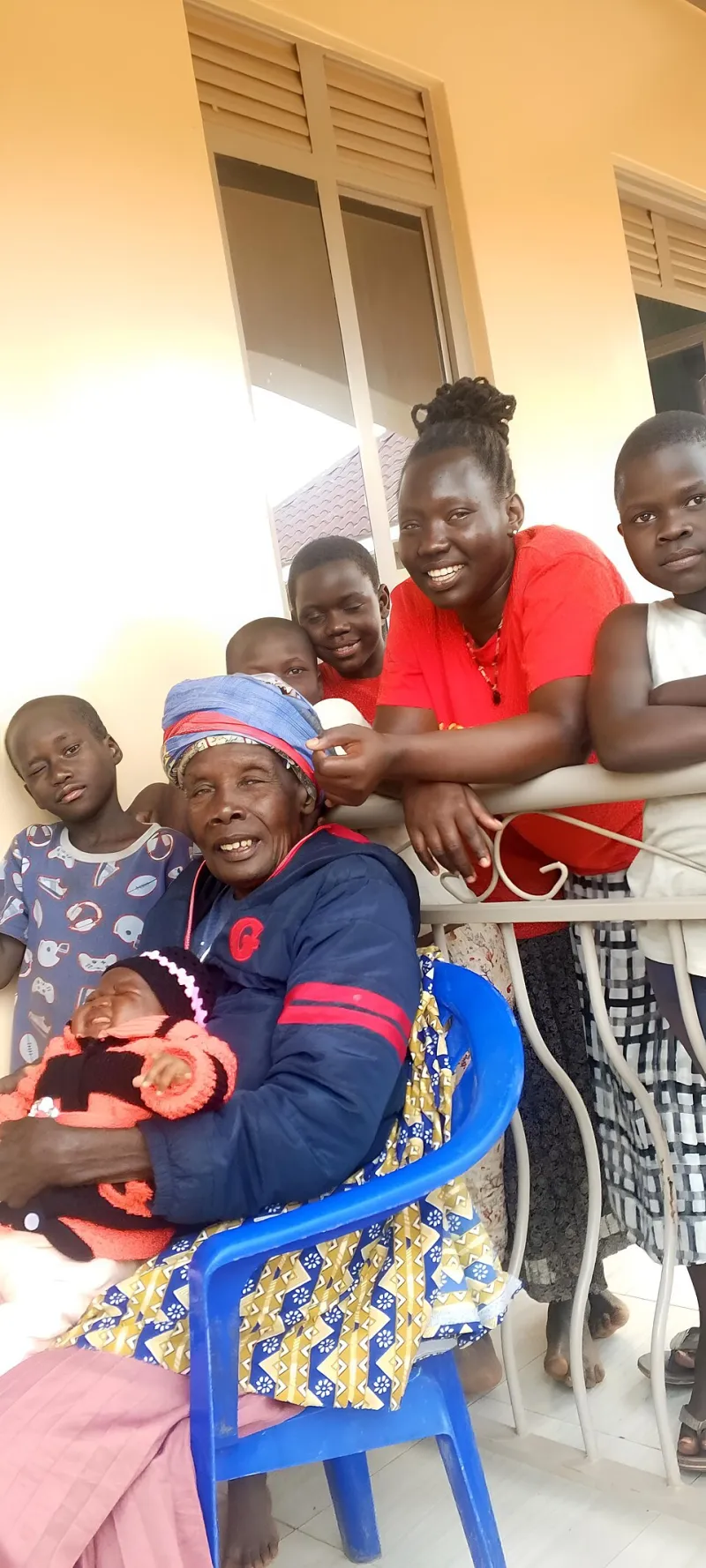
They are not tidy. Hands are uncertain. Someone is fixing a collar. A toddler is climbing a parent like a jungle gym. A grandmother is telling a story that makes everyone groan. These frames are not failures. They are the raw material of a family's actual personality.
Later, people start performing a version of themselves. Shoulders square. Smiles switch on. That can be useful, too. But the performed version is rarely the one clients print large. The print usually comes from the in-between: a hand on a shoulder, a kid mid-laugh, a couple who forgot the lens was there for half a second.
Dress for movement, not for a verdict
My most practical advice for clients is simple: wear what you can sit, crouch, and hug in. If you are worried about a waistband or a strap, it will show in your face. Solid colors and soft textures photograph well. Avoid matching the whole family head to toe unless that is genuinely your tradition. Layers help because rental homes, studios, and fall porches all have different temperatures.
Bring a backup. Not a whole second wardrobe, just one shirt or dress you trust. Shoes matter more than people expect. If we end up on a lawn, a dock, or a set of stone steps, you will want footwear that lets you move without thinking about it.
The warm-up I ask clients to do
Before the session, stand in good light with someone you like and talk for two minutes. No phone. No mirror. Just talk. Notice how your shoulders drop. That is the version I am looking for.
At the session, arrive ten minutes early. Not because I am strict about time, but because rushing is the enemy of the first window. Let kids shake out their energy. Let grandparents sit down. Tell me if someone hates being photographed. I would rather know than find out through a clenched jaw.
What not to do: do not threaten kids into smiling. Do not direct from the sidelines. Do not apologize for the chaos. And please do not ask, after every frame, if that one was okay. The first ten minutes are for settling, not grading.
Why the keepers tend to land early
The early part of a session has a particular honesty. People have not yet built the mask they think a photograph requires. The light is often at its best because we planned around it. The energy is fresh. The dog has not yet eaten anyone's snack.
I still get good frames at minute forty-five. I love the quiet that comes after everyone stops trying. But if you want the portrait that feels like your family on a normal Tuesday, the first ten minutes are where it usually lives. Arrive as you are. The camera can wait.