The Cabin Was Not the Backdrop: What a Blue Ridge Rental Taught Me About Family Portraits
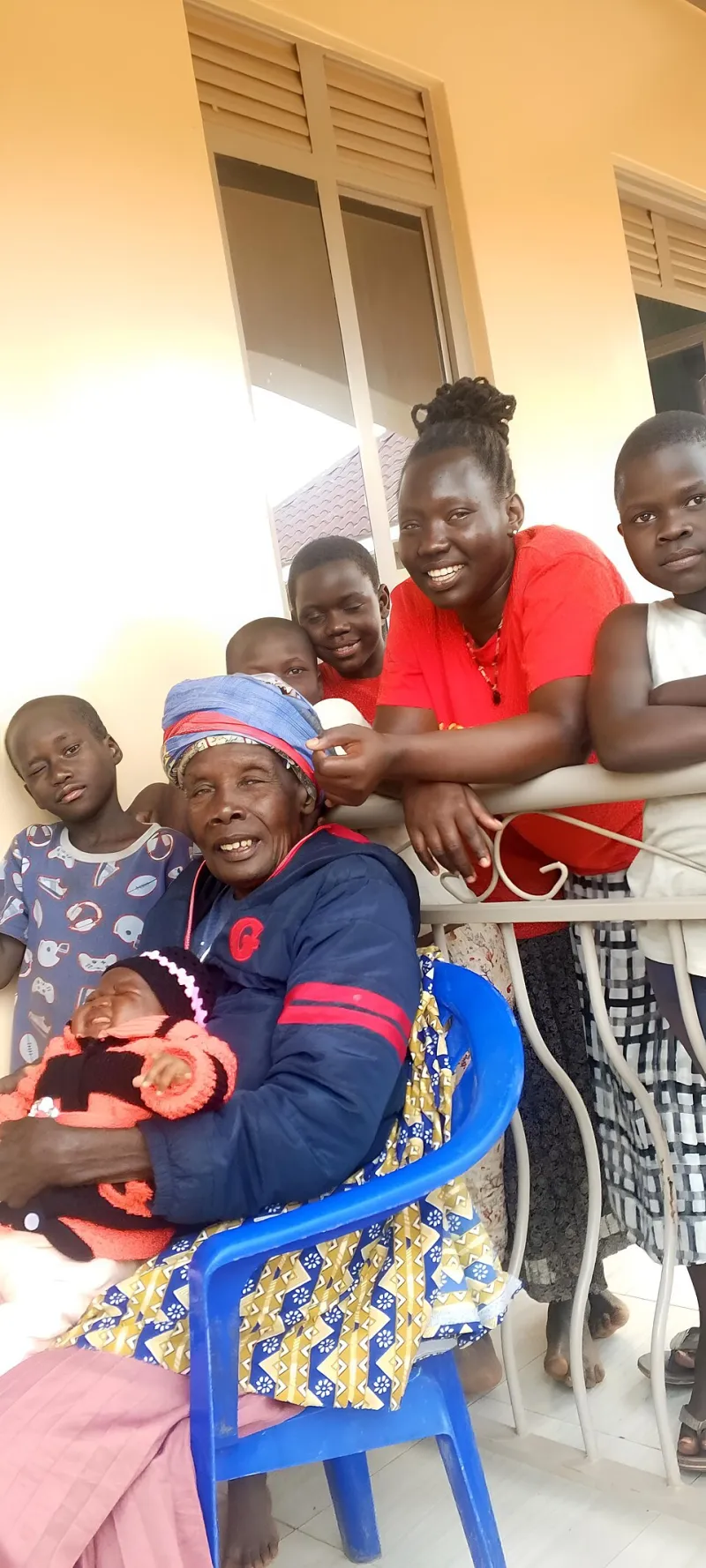
Photo: Oliversamson1, CC0, via Wikimedia Commons
The cabin had a mounted trout, a slow cooker, and one window that made everyone look like they had just come in from the rain. It was not a studio. It was better.
I was in the Blue Ridge Mountains this fall for a multi-generational family reunion. Three generations, one long weekend, a short-term rental with a gravel drive and a porch that wrapped around two sides. The family had booked me for a few hours of portraits, but the best pictures came from treating the house as part of the gathering, not as a problem to fix.
The walkthrough is not about furniture
When I arrive at a rental, I do a walkthrough before I open my bag. I am not judging the decor. I am looking for light. Which rooms face north? Where do the windows land in the morning and late afternoon? Are the overhead lights warm or green? Is there a porch with shade, a hallway with depth, a kitchen table with room around it?
In rentals, I ask permission to move things. A chair. A lamp. A stack of board games. Small moves change everything. I do not redecorate. I just clear a path for people to stand close together without a coffee table between them.
Why unfamiliar spaces loosen people up
A studio asks people to behave like guests in a formal room. A rental asks them to behave like themselves. Someone puts on coffee. A kid claims the loft. Grandpa falls asleep in the good chair. The family starts negotiating snacks, not poses.
That looseness is the point. I let people migrate. If everyone ends up in the kitchen, I shoot in the kitchen. If the teenagers disappear to the porch swing, I follow. The cabin's ordinary architecture gives us cues: the doorway where everyone squeezes through, the steps where cousins line up without being asked, the table where three generations have already left rings of stories.
Finding light in someone else's house
Most rentals are not lit for portraits. That is fine. I turn off overheads whenever I can. They flatten faces and cast odd shadows. I use windows as softboxes and sheers as diffusers. If the sun is harsh, I look for shade on a porch or bounce light off a white wall.
In the Blue Ridge, weather changes fast. Overcast is a gift. It gives even light on the porch and lets the mountains stay soft in the background. I check the forecast, but I also check the house. A west-facing window at 4 p.m. can be golden. At noon it can be a furnace. I plan around the room, not just the view.
Turning ordinary rooms into intentional portraits
A room becomes a set when you give it a job. The kitchen table is for the whole group. The window seat is for grandparents and the youngest grandchild. The porch steps are for the silly frame. I do not strip the house of its mess. A mug, a deck of cards, a pair of muddy boots—these are evidence that people gathered here.
For a multi-generational family, I start with pairs and small groups near the best light. That gives everyone a job and keeps the energy from collapsing into one giant lineup. Then I build to the full group. I give prompts that are not about smiling: Tell me how you met. What did this one do at Thanksgiving? Who makes the best biscuits? The answers matter less than the reactions.
The porch was the studio
The porch ended up doing most of the work. It had shade, a wide rail, and enough room for a full group without anyone feeling stacked. We shot the grandparents there first, then added kids, then cousins, then the whole crew. By the time we got to the big frame, everyone was already warm. Nobody had to be told where to put their hands because they had been touching each other all weekend.
We also used the kitchen. Not because it was beautiful, but because it was true. The family had cooked in it, argued in it, and cleaned up in it. That history showed up in the pictures more than any mountain vista could.
Notes if you are booking a rental session
Tell your photographer about the windows before you worry about the decor. Ask the host if furniture can be moved. Pick one room as your anchor and let the rest of the house be a supporting character. Plan the session around the light, not just the schedule. And leave a little room for the unplanned: the dog wandering through, the kid who refuses shoes, the uncle who tells the same story twice.
The frame the family chose for the wall was not the one with the mountain view. It was the kitchen table, coffee cups pushed aside, three generations leaning in. The cabin was not the backdrop. It was the reason everyone was in the same room.
The best portraits rarely come from a perfect set. They come from a place where people forget to pose.