Blank Walls, Real Years: Portraits in the Apartments We Only Meant to Borrow
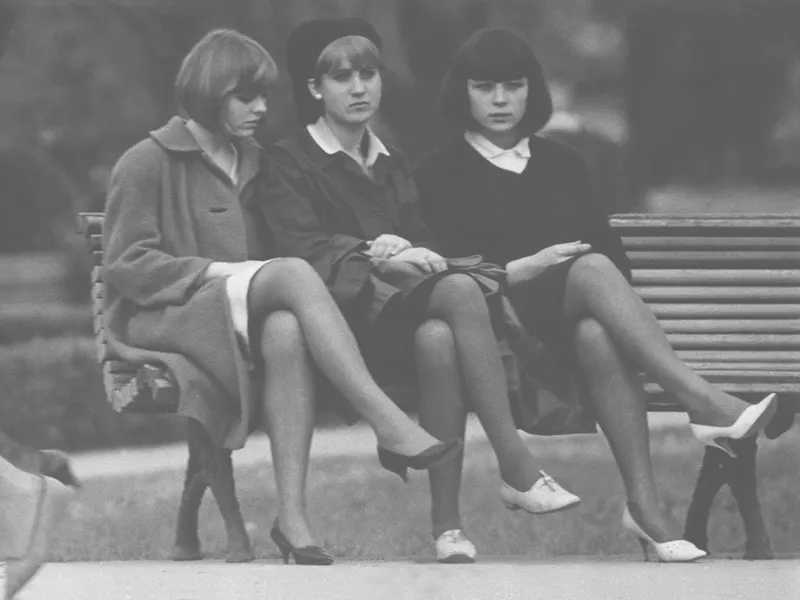
Photo: Ion Chibzii from Chisinau. , Moldova., CC BY-SA 2.0, via Wikimedia Commons
There is a box in the corner of almost every rental I've photographed. It's the one that got taped shut on moving day, labeled something optimistic like 'kitchen — misc,' and never opened again. The lease was twelve months. Why unpack what you'll just pack again?
I've made portraits in a lot of rooms like that. Walk-ups with radiators that clang at 6 a.m. One-bedrooms where the mattress sits on the floor because a bed frame felt like a commitment. Apartments with picture hooks still in the wall from the last tenant, and nothing hung on them because putting a nail in someone else's drywall feels like a lie you'd have to patch later.
People apologize to me at the door. Every time.
The Apology at the Door
'It's not much,' they say, stepping aside so I can wheel my bag in. 'We're not staying long.' 'Sorry about the light.' 'Sorry about the boxes.' 'Sorry about the walls.'
I get it. I rented for years. I know the particular shame of a space you haven't fully moved into, the way a rental can feel like a waiting room for your actual life. But here's what I've learned from behind the lens: the waiting room is where a lot of the living happens. The promotion you celebrated on that secondhand couch. The winter you were sick for two weeks and watched the same show on a laptop propped on a chair. The Tuesday nights. Especially the Tuesday nights.
A portrait doesn't have to pretend the place is permanent. It just has to tell the truth about the time you spent there.
Small Rooms, Honest Light
The practical side first, because rentals come with specific problems and I've solved most of them.
Turn off the overhead. That flat, greenish ceiling light in every American rental is the enemy of a good portrait. It drops shadows under the eyes and makes skin look tired. Kill it. If it's daytime, you have a window — use it. Put the person near the glass, turned slightly toward it, and let the rest of the room fall into shadow. Window light in a small apartment is often better than any studio light I own.
Shoot into the window or across it. In a tight room, don't back yourself into a corner and point at a wall. Stand with the window behind you, or off to the side at ninety degrees. If the background is cluttered, open the aperture wide and let it go soft. A leaning bookshelf out of focus is still a leaning bookshelf.
Use the doorway. A hallway can be a frame. I've made some of my favorite small-room portraits from the next room over, shooting through a doorframe, letting the walls crop the picture for me. It gives the image a sense of peeking into someone's life, which is exactly what a portrait should feel like.
Move three things, not thirty. People want to clean before I arrive. Please don't. Straighten a lamp, tuck a laundry basket out of frame, and leave the rest. The box in the corner is part of the story. The sticky note on the fridge is part of the story. I'm not photographing a listing. I'm photographing you.
If it's dark, one lamp will do. Bounce it off a white wall or a propped-up piece of poster board. Don't light the whole room — light the face. The rest can go moody. Bad overhead lighting is a problem; a single warm lamp in the corner is an atmosphere.
The Leaning Bookshelf Stays
I photographed a woman last spring in a two-bedroom she'd rented for four years. She kept apologizing for the bookshelf, which leaned at a slight angle because the floor was uneven and she'd never bothered to shim it. 'It's been like that since I moved in,' she said. 'I just stopped noticing.'
We left it in every frame. It's the most honest thing in those photographs — the proof that she'd been living with the same small imperfection long enough to stop seeing it. Rented rooms accumulate those details faster than owned ones, I think. The radiator you learn to ignore. The cabinet door that sticks. The neighbor's dog you can set a clock by.
When you move out, the lease ends and the details vanish. The photo is what's left.
Being Photographed Somewhere You Don't Quite Call Home
Here's the awkward part, and it's real: people feel like frauds being photographed in a place they don't own. They worry the picture will look like they're pretending. They worry the apartment will betray them — show the cheap blinds, the bare bulb, the fact that they're still figuring things out.
So I talk to them first. Not about the shoot — about the address. How long have you been here? What's the strangest thing about this apartment? What did you do on your first night? By the time the camera comes out, the room has stopped being a backdrop and started being a setting again.
We photograph by the window, on the couch, in the kitchen with the fridge humming behind them. We don't pretend the walls aren't blank. We just stop treating blank walls as a verdict.
What You Actually Keep
Rentals end. The box gets thrown out during the next move, or it gets taped up again and carted to the next place, still unopened. The security deposit gets argued about. The keys go back.
But a portrait made in that room says something a lease never can: that this chapter counted. That the years between the move-in and the move-out were not a placeholder. That the leaning bookshelf, the bad light, and the Tuesday nights were, for a while, your life — and it was worth looking at.
If you've been waiting to be photographed until you have the place you actually want, I'd gently suggest you stop waiting. The apartment you're in right now has a portrait in it. Let's go find it.