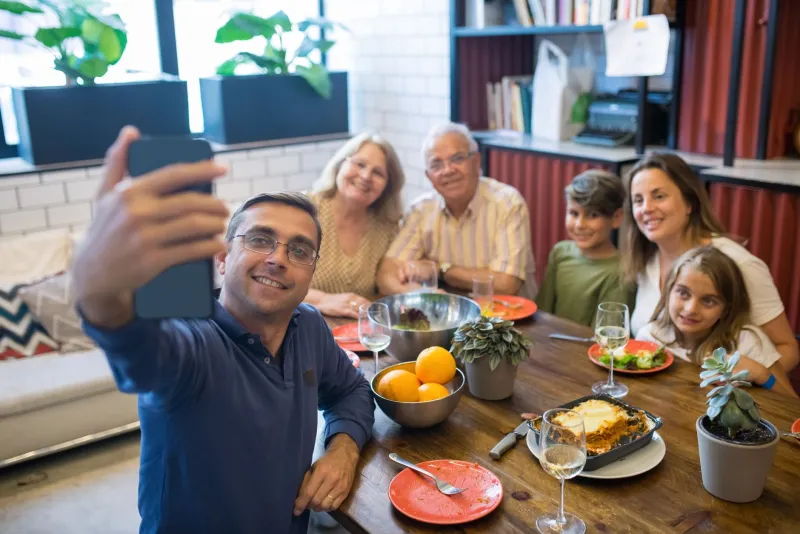
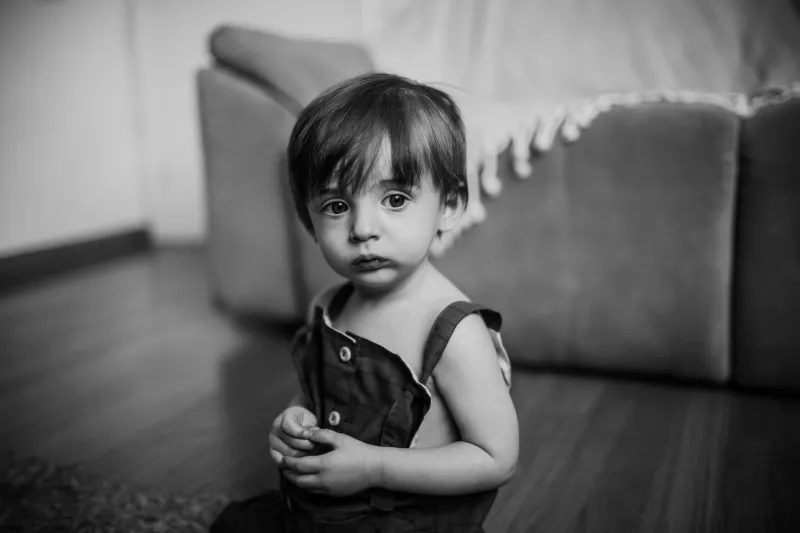
The Kitchen Table Portrait: How to Photograph Your Parents Before Another Year Slips By
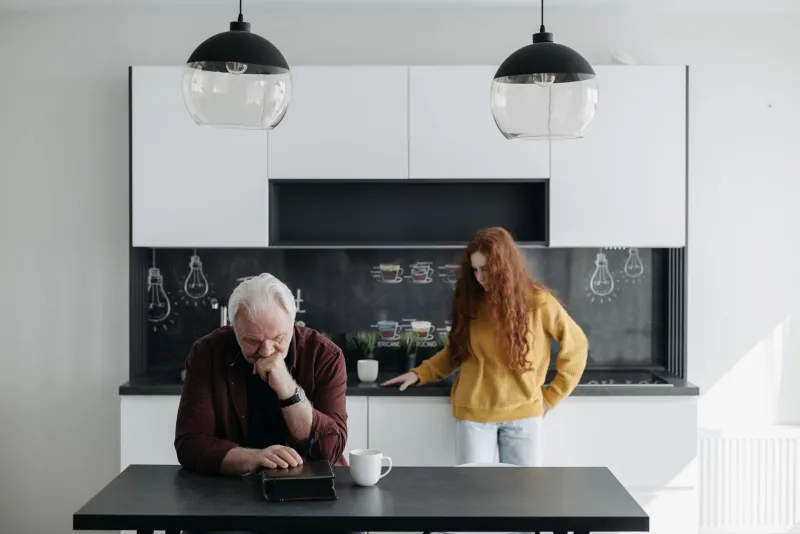
Every November I get some version of the same email. Usually it's from a daughter or a son who saw their mother across a kitchen and noticed something new — a thinner wrist, a slower walk to the counter. The request is almost always shy: do you think we could get a few pictures of my dad? The answer is yes, and the harder answer is: you don't need me. You need twenty minutes and a window.
The ask is the whole battle
Nobody wants to be photographed because they're getting old. That's the trap most families fall into. They say the quiet part out loud — you're not going to be around forever — and the camera goes back in the bag for another year.
Try it sideways instead. Keep the reason small and specific. "I want a picture of you for my desk." "I'm rebuilding the family album and I'm missing you." "I've got a new lens and I need a subject who won't wiggle." One sentence, then change the subject. Don't negotiate.
Give them a job while you're at it. Bring coffee. Ask if they'll sit for ten minutes after breakfast on Saturday. Narrow windows get agreed to; open-ended requests get postponed, and postponing is how you end up with a folder of blurry phone shots taken at a funeral.
What to do when they say no
They will say no. That's fine, and the worst thing you can do is argue.
Put the camera down. Show them the back of it. Let them see a frame, then offer to delete it if they hate it. Almost everyone softens once the mystery is gone and they realize you're not running some kind of intervention with a telephoto lens.
Then give their hands something to hold. A mug, a dish towel, a letter, the dog. The camera-shy are usually just people who don't know what to do with their arms. Lately I've been handing reluctant subjects a photograph of their own grandchildren and asking them to describe the day it was taken. Twelve frames later they've stopped performing.
Use the room they actually live in
The best available-light setup in America is a kitchen window at nine in the morning. You don't need a studio, and honestly the studio is the wrong room for this.
Turn off the overhead light. All of it — the ceiling fixture, the under-cabinet strips, the lamp behind them. Overhead light puts shadows under brows and eyes, and mixed color temperatures make skin look gray. Window light alone is kinder.
Place your parent three or four feet from the glass, angled roughly forty-five degrees to it. One side of the face lit, one side falling into soft shadow. If the shadow side gets too dark, tape a piece of white foam board to a broom handle and have someone hold it opposite the window. A white wall works. So does a sheet.
Phone camera settings, which is what most of you are using: tap to focus on the eye nearest the window, then drag the exposure slider down a notch. People overexpose faces out of reflex and lose every crease that makes the face theirs.
If you're on a real camera, start at ISO 800, f/2.8, and 1/125 of a second, and adjust from there. No flash. Flash flattens exactly the thing you're trying to keep.
Let them be busy
The stiff portrait on the couch is the photo nobody frames. The good ones happen while somebody is doing something boring.
Photograph your mother making coffee, paying a bill, deadheading the roses, hunting for her car keys. Photograph your father in the garage, in his chair, at the grill, walking to the mailbox in slippers. Shoot a short burst and then wait for the half-second after they laugh, when the face goes completely unguarded. That's the frame.
The details you'll actually miss
After ten years of this work I can tell you the portraits people treasure most are rarely the faces. Photograph the hands — always the hands. The rings, the watch that hasn't kept time since 1998, the veins, the gardening gloves on the back step.
Then shoot the context. The fridge covered in magnets and grandkid school photos. The recipe card in their handwriting. The chair by the window with a worn spot in exactly one place. Their reading glasses folded on the crossword. The shelf of pill bottles nobody talks about but everybody sees. It feels mundane now. In fifteen years it will be an archaeological record of a person you loved.
Shoot them alone, then together
If both parents are alive, resist the urge to only make the couple photo. Shoot them apart first, then together. And please don't say "look at me and smile." Ask them to talk to each other. Ask your father to tell your mother about the first time he saw her. You'll get eight bad frames and one that stops the room.
Print one
This is not optional. Files on a phone are not photographs yet. Order a five-by-seven, put it in a cheap frame from the hardware store, hand it over. That's the gesture that turns "the time my kid took pictures of me" into the picture that sits on the shelf until somebody else inherits it.
The twenty-minute plan
Pick the room with the best window. Turn off the overheads. Clear whatever's behind them — or don't clear it, just move the trash can. Twenty frames while they do something ordinary. Ten frames of hands and objects. One standing portrait by the glass. Show them three, keep the rest on the card, and print one before the week is out.
Light changes. It changes every afternoon around four, and it changes in ways you can't schedule around. That's the whole reason to do this now instead of at the next holiday, or the next one after that.