The Bed Still Fits: Photographing the Room Your Grown Kid Comes Home To
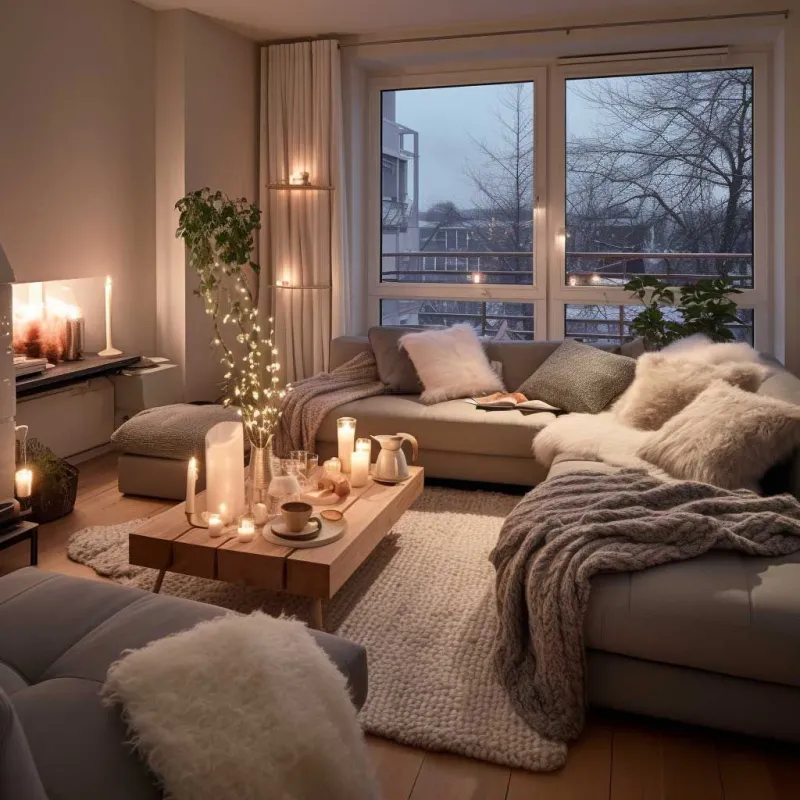
Photo: cozy teenage bedroom with trophies on shelf and window light, parent sitting on bed, natural documentary photography, via i.pinimg.com
It's the Tuesday before Thanksgiving. There's one more car in the driveway than there was last week, and upstairs a twenty-year-old is asleep under a comforter printed with the logo of a travel team that dissolved years ago. The backpack is on the floor. The desk lamp is on for no reason. Somewhere in the closet is a shoebox of things they swore they'd need and never opened.
Every November and every May, this room comes back to life for a week or two and then goes quiet again. And every year it drifts a little further from the person who actually lives in it now.
That drift is the thing worth photographing.
The Room Is Evidence
I've shot portraits in a lot of transitional spaces — dorm hallways, first apartments with no curtains, the corporate-housing two-bedroom somebody's job put them in for six months. None of them carry the weight of the bedroom a kid grew up in and technically still occupies.
Because this room isn't decorated anymore. It's archived. The ribbon from a science fair that no one remembers the year of. A paperback with a cracked spine that got read eleven times. A shelf of trophies that got a single coat of dust a decade ago and then just kept it. The bedframe that was bought when they were nine and somehow still holds a six-foot adult, feet hanging off the end, perfectly content.
The parents I talk to usually want to apologize for it. It's a mess, we haven't redone it, it's basically a storage unit now. I always say the same thing: that's exactly why we're here. In ten years, this will be a guest room with a neutral duvet and a framed print from HomeGoods, and nobody will be able to tell you what it looked like before.
Start in the Doorway
The first frame of every one of these sessions is the same: stand in the doorway, don't step in, and shoot wide.
The doorway shot does two things. It gives you the honest dimensions of the room — the low ceiling, the shade that doesn't quite match the other shade, the poster corner that's been curling since 2019. And it establishes the room as a place you look into, which is how parents actually experience it now. You stand there at 8 a.m. and look at the sleeping lump under the blanket and think, how is that the same person.
Shoot it at eye level, then drop to about chest height against the doorjamb if the room is small. Don't correct the verticals in editing. A slightly leaning doorframe is not a flaw, it's a room that was built in 1988.
Turn the Overhead Off
Every childhood bedroom in America has one dome light in the center of the ceiling, and it is the enemy of everything you're trying to make.
Kill it. Open the curtains instead, even if it's gray. November light through a half-open blind is soft and unflattering in a way that reads as true — and true is the assignment here. If the window is small, pull the blinds all the way up and shoot the bed from the side the light comes in on, so the light rakes across the comforter and gives it texture.
A practical note: shoot in the morning, before noon if you can. By 3 p.m. in late November the light is already heading toward blue, and a bedroom at blue hour looks like a hospital.
Put a Parent in the Frame
Here's the part people skip. They photograph the room and then they photograph the kid and then they never photograph themselves in it.
Don't do that.
Have one parent sit on the edge of the bed. Not posed — actually sitting, hands on knees, looking at the trophies like they're reading a book. Have the other one lean in the doorframe with a coffee mug, because that's the actual pose of American parenting: standing in a doorway at 7:40 in the morning deciding whether to knock.
Ask them to pick up one object they remember buying. The retainer case. The book they read out loud at bedtime in 2012. The ugly ceramic thing from a summer camp pottery class. Let them hold it and look at it and don't say anything for a while. Those frames will be the ones the family keeps — not because the light was perfect, but because you can see a parent doing arithmetic in their head about how fast it went.
What to Leave In and What to Move
You're not cleaning. You're editing, and there's a difference.
Leave: the pile of books on the nightstand, the charging cables, the water glass, the clothes on the chair. That's the texture of a lived-in homecoming. Move only the things that block the shot — a trash bag in the corner, a suitcase parked in front of the window — and move them ten inches, not to another room.
If the kid is cooperative, ask them what still matters in here. You'll get a five-minute tour that doubles as a portrait. Half the time they'll pick something you would have cropped out.
The Kid Doesn't Have to Smile
A twenty-year-old home from school is tired, mildly jet-lagged from a six-hour drive, and being photographed in their childhood bedroom by their mother's photographer. They will not be thrilled. That's fine.
Don't chase a smile. Ask them to lie back on the bed and look at the ceiling. Ask them to sit on the floor with their back against the bedframe, which is a position they probably spent a thousand hours in. Ask them to read the book they're currently reading, in the room where they learned to read. Those frames say more about this exact passage — this specific weird year of being an adult who still has a room — than any grin will.
Do It Before the Paint Can Opens
The paint can always opens. Sometimes it takes five years, sometimes fifteen, but there is a weekend coming when somebody says we should really do something with that room and then it's a home office with a Murphy bed and a plant.
You don't have to make a big production of it. Twenty minutes, one window, a camera and a phone, a pair of parents and a kid who'd rather be asleep. That's the whole session.
A quick shot list to take upstairs with you:
- The doorway, wide, overhead light off.
- The bed from the window side, raking light across the comforter.
- One parent sitting on the bed, hands in lap, not looking at the camera.
- One parent in the doorframe with a mug.
- The kid on the floor, back against the bed, reading.
- A tight frame of three objects on the shelf that haven't moved since high school.
- The two of them together on the bed, arms not quite around each other, like always.
Then put the camera down and go eat something. The room will keep. But not forever.