The Photograph You Cringe At Is the Best Place to Start
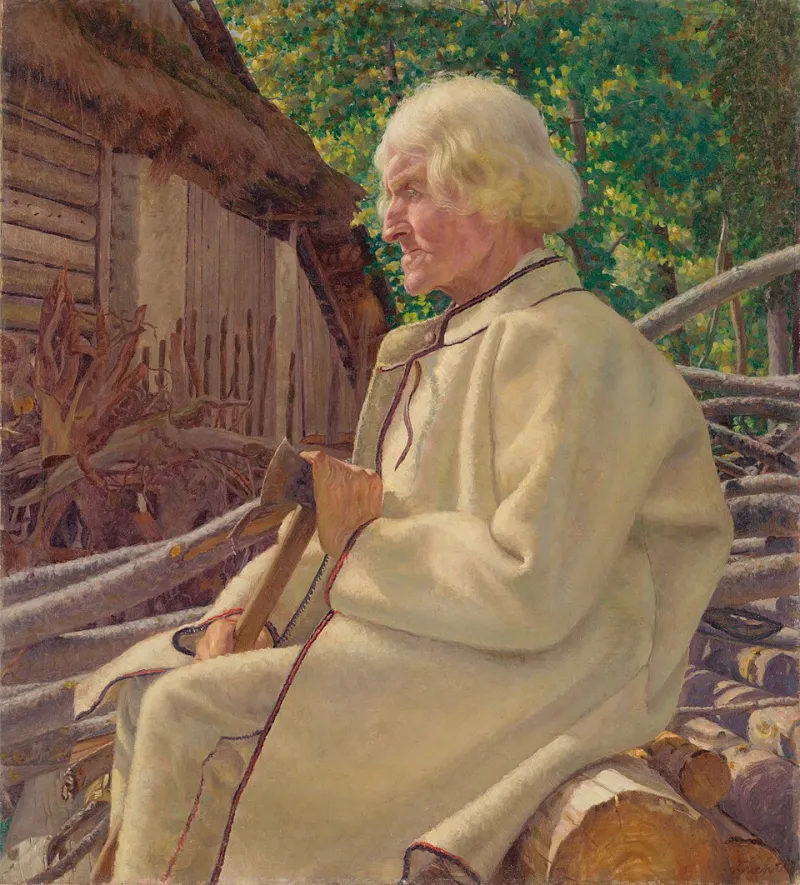
Photo: Ivan Žabota, Public domain, via Wikimedia Commons
There is a sound an old photograph makes when it lands on a table. Not the paper—something smaller than that. A little exhale, maybe a laugh with no air behind it. Then the sentence I hear most often: “Okay, don’t judge me.”
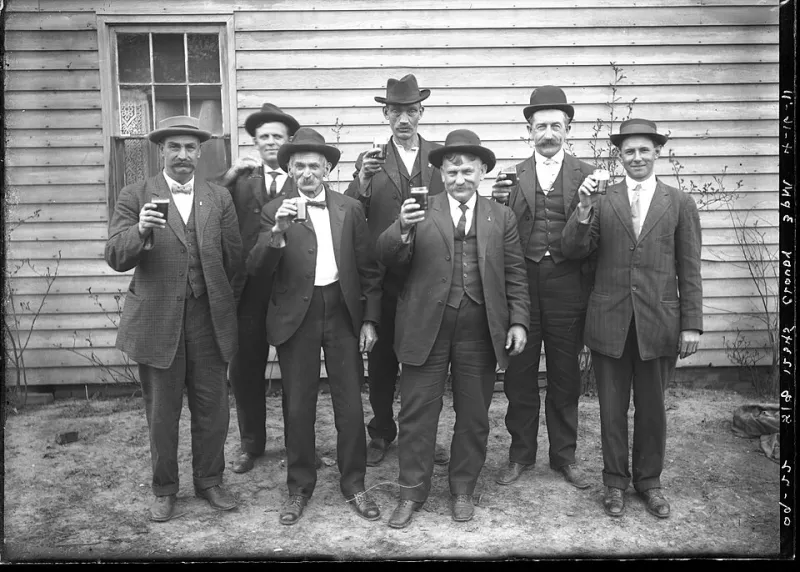
At the start of a portrait session, I ask clients to bring one photograph of themselves from the past. Ideally from school. Ideally a bad one. The wallet-size spring portrait with the braces and the bowl cut. The yearbook photo taken on picture day when you had a fever and your mother made you go anyway. The one that lived on the fridge for a decade and that you have spent thirty years trying to forget.
I started this a few years ago, mostly out of curiosity. I was tired of the first ten minutes of a session, when everyone sits very straight and speaks in the voice they use at the DMV. I wanted a way in. It turns out the fastest way into a real expression is often a slightly embarrassing photograph from 1998.
The Cringe Is the Icebreaker
Humor does a specific job in a portrait session. It lowers the stakes. A person who has just shown you their worst seventh-grade haircut cannot also pretend to be a flawless stranger in front of your lens. The mask slips a little, and that is good. The mask was never the interesting part.
I don’t use the old photo to tease anyone. I use it to get us talking. “Who took this?” “What were you listening to that year?” “Is that a velour shirt?” The answers are usually funnier and more specific than anything I could invent. One client brought a photo from a family cruise and spent five minutes describing the exact shade of orange in the dining room carpet. By the time we started shooting, she had stopped performing “portrait face” and started telling me about her grandmother.
What I’m Actually Looking For
People assume I’m studying the old picture for flaws. I’m not. I’m studying the evidence. The posture. The hands. The way the subject stood half a step behind a sibling. The expression that says I was told to smile and I am doing my best. I look at the background too—the paneled wall, the plastic plant, the chain restaurant booth—because those details tell me what a person remembers about being young.
Then I ask questions. Not “What do you hate about this photo?” That is a trap. Better: “What did you want to look like that day?” Or “What were you worried about?” Or “Who told you to sit up straight?” The answers often point directly at the pose someone is still holding onto today. Sometimes it is a shoulder. Sometimes it is a smile that never reaches the eyes. Sometimes it is a whole way of standing in a room.
The Photo Is Not a Prop
I keep the old picture on the table, not in the frame. Unless a client asks to re-create it, we don’t. The point is not to make you look like that kid again. The point is to let that kid breathe for a minute. There is a difference between nostalgia and a costume.
What usually happens is subtler. A client remembers that the stiff pose in the old photo came from a parent saying “hold still” through clenched teeth. They laugh. Their shoulders drop. Then I ask them to look toward the window, and the face that comes back to me is not the school-picture face. It is the person who survived it.
A Question, Not a Diagnosis
Some photographs are not funny. Some are from a bad year, a difficult house, a season of grief. I ask once, gently. If the answer is “I’d rather not,” we move on. I am a photographer with a camera and a decent memory for names, not a clinician. The old photo is an invitation, never a requirement.
When someone does want to talk about a hard picture, I let them lead. I don’t narrate their childhood back to them. I listen. Often the story ends with something like, “Anyway, that’s why I hate having my picture taken.” That sentence is useful. It tells me what to avoid and what to protect. We can make a new photograph without arguing with the old one.
From Then to Now
The real payoff comes later in the session. Once we have talked about who they were, I ask a different question: “What would that kid think of this room?” Or “What would you tell them now?” People answer with a shrug, a joke, sometimes a long pause. Then they look at the camera differently. Not happier, necessarily. More present.
That is the whole trick, if it is a trick. Looking backward at who you were can make you stop editing who you are today. The old picture is not evidence of your worst angle. It is a doorway. Walk through it, and the person on the other side is usually more interesting than the pose they were planning to give me.
If you are hosting Thanksgiving in a couple of weeks and plan to take family photos, try it. Ask everyone to bring one old picture. Put them on the table. Ask three questions. Don’t roast anybody. Then pick up the camera. The faces you get will be better for it.