Tissue, Tape, and Tinsel: Why the Ornament Box Belongs in Your Holiday Portraits

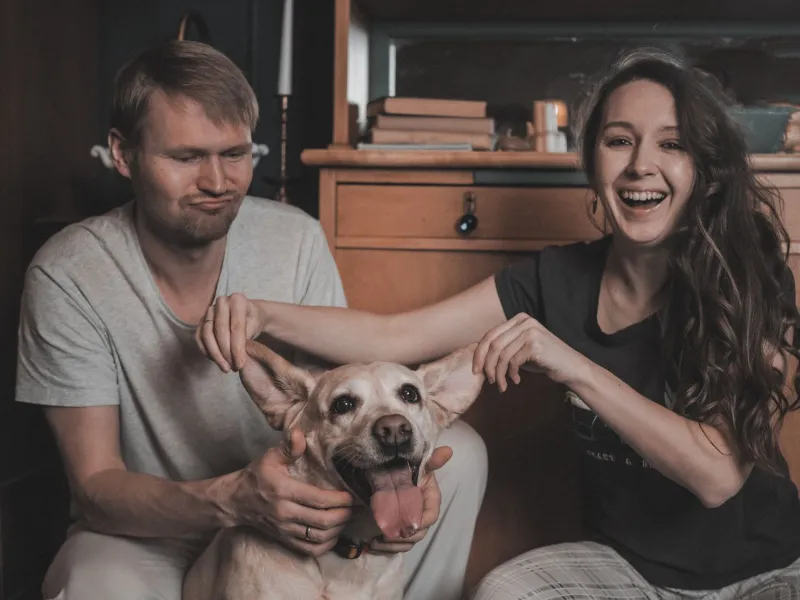
Photo by Photo by micheile henderson on Unsplash on Unsplash
Most holiday portrait sessions begin with a mantel. A wreath gets straightened, a stool gets dragged over, someone says stand closer, and the camera comes out. I have made plenty of those pictures, and I will make plenty more. But the moment I keep thinking about happens twenty minutes earlier, when the ornament box is still open on the dining room table and nobody has decided where to stand.
That is the part of December I have started asking clients to save for me.
The Box Is the Better Backdrop
A mantel is a stage. An ornament box is a record. The difference matters.
Last December, I spent a morning with a family in a suburban split-level outside Columbus. The tree was up, the lights were on, and the living room looked ready for its close-up. But the real scene was happening at the table: three Rubbermaid bins, one cardboard box held together with packing tape, and a sheet of tissue paper that had been folded and unfolded so many times it had gone soft as cloth.
Inside were the usual suspects. A felt reindeer with one antler. A dough ornament with a date written in Sharpie. A tiny brass frame holding a photo so faded you could barely make out two faces. A Hallmark Keepsake from the late 1990s, still in its box, still not allowed on the tree because someone in this family had strong feelings about it.
And then there were the labels. Index cards. Masking tape. A strip of paper with From Aunt Jo, do not throw away written in blue ballpoint. A name, a year, a room in a house that no longer exists.
That is not decoration. That is an archive with hooks.
Start With the Unpacking, Not the Pose
When I photograph these sessions now, I ask families to leave the boxes out. Do not tidy up before I arrive. Do not move the tissue paper to the recycling bin. Do not put the labels in a drawer because they look messy.
The mess is the point.
I start with hands. A hand lifting a wad of tissue. A hand turning an ornament toward the window. A hand holding a label close enough to read. These are the frames that carry the most weight, because hands remember things faces do not. They know which box is which. They know how much pressure it takes to lift a glass ornament without cracking it. They know the order.
The technical side is simple. I look for window light, turn off the overheads, and use a 35mm or 50mm lens wide open. I get low. I get close. I let the background go soft. A dining room chair, a section of tree, a stack of bins—none of that needs to be sharp. The ornament and the hand are enough.
I also ask people to talk. Who made this one? Where did it come from? Why is this one still in the box? The answers usually end up in the photographs somehow, even if only in the way someone smiles while they say them.
The Labels Are the Captions
If you take one thing from this, take the label photos.
Handwriting is a portrait of a person. The slant of the letters. The pen they used. The way they crossed a T. I have photographed index cards that say Sarah's first Christmas and masking tape that says fragile—Grandpa. I have photographed the inside of a box lid where someone had written a list in pencil and then crossed things out.
Those labels will matter more than the ornaments themselves in ten or twenty years. The ornaments are objects. The labels are voices.
Pair them when you can. A close-up of the ornament, then a close-up of the label beside it. Or one frame with both in focus. You do not need a studio setup for this. A table by a window is enough.
Keep the Mess in the Frame
I know the impulse to clean up. I have it too. But the empty boxes and the crumpled tissue and the tape dispenser on the table—that is the room where the story actually happens.
So I make one wide frame before we start. The bin on the floor. The ornament box open on the table. Someone in socks. The dog walking through. The step stool waiting by the tree. It will not be the photo that goes on the card. It will be the photo that reminds you what the card was for.
Then I go back to the hands.
A Short Shot List for December
If you are making these pictures yourself, keep it loose. Here is what I look for:
- Hands lifting tissue paper out of a bin.
- An ornament held up to the window light.
- A label or index card in someone's hand.
- A person reading a label out loud.
- A child placing the first ornament on the tree.
- A wide frame of the room with the boxes still out.
- The empty box at the end, tissue spilling over the side.
None of these require anyone to look at the camera. That is a feature, not a bug. The best holiday portraits are often the ones where people forget they are being photographed because they are busy remembering.
What to Do With These Later
I print a small set for January. Three or four frames, nothing fancy. The hand with the label. The ornament by the window. The wide shot of the table. I put them in a simple envelope and tell clients to leave them out for a week.
They are not holiday card material. They are something better: proof that the ritual happened. Proof that someone in this family knows where the box lives and what is inside it.
The mantel photo is for the card. The ornament box is for the archive. This December, before the posing starts, give the boxes fifteen minutes of camera time. They have been waiting all year.